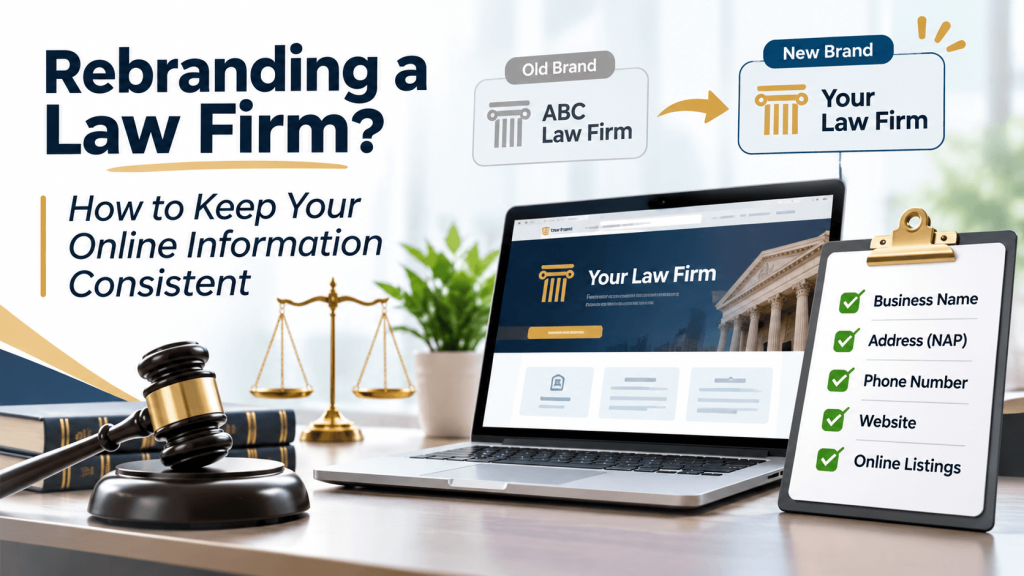
Two attorneys in Charlotte become three when a new partner joins, and the firm changes its name to reflect the new partnership. The signage is updated, letterhead is reprinted, and the website gets a new logo. Six months later, prospective clients are still finding the old name on directories, and some assume the old firm has closed.
For law firms, a name change, merger, or office move can quietly split an online identity in two. A planned update process keeps clients and referral sources pointed in the right direction.
Why Inconsistent Firm Information Causes Problems
People researching attorneys often check several sources before calling: a search result, a bar association page, a review site, and a directory or two. When those sources show different names or addresses, doubt creeps in at a moment when trust matters a great deal.
Inconsistent details also make it harder for search engines to understand that the old and new names refer to the same firm, which can dilute visibility the firm built over years.
Update Information in a Logical Order
Check your state’s professional conduct rules on firm names first, then work from the sources you control outward:
- Your website: name, address, phone, attorney bios, and structured data
- Google Business Profile and Bing Places, edited so they match the website
- State bar and court records, following your bar’s update process
- Legal directories and general business directories
- Social media profiles, email signatures, and printed materials
Keep a note on the website, such as formerly Smith & Lee, for a while after the change. It reassures past clients who search for the old name.
Track Down Old Listings You Forgot About
Over the years, a firm’s name tends to end up in places nobody remembers creating. Search the old name in quotes, along with the old phone number, to find stray mentions.
General directories such as Editor Listings are worth checking during this cleanup. Browsing the Law Services category shows how firms there present their practice areas, and if your firm is already listed, update the entry rather than creating a second one. Duplicate listings under old and new names are one of the most common rebranding mistakes.
Finish the Rebrand Online, Not Just on the Sign
A new firm name is only fully in place when it’s consistent everywhere clients look. Update your own properties first, then work through profiles, bar records, and directories like Editor Listings. Some changes take time to appear in search, so check again a few weeks later and fix anything that slipped through.
Frequently Asked Questions
Will changing our firm name hurt our search visibility?
It can cause some short-term fluctuation, since search engines need time to connect the new name with your firm’s history. You can reduce disruption by keeping the same domain if possible, redirecting old URLs if the domain changes, and updating profiles and listings promptly. Results vary, and no one can promise visibility won’t shift.
Should we keep reviews from under our old firm name?
When you edit the name on an existing Google Business Profile, the reviews stay with that profile, so there’s usually no need to start over. Avoid creating a brand-new profile for the new name, which would leave the reviews behind and create a duplicate. Other platforms vary, so check each one’s process.
Do we need to tell the state bar about a name change?
In most states, yes. Lawyers generally must keep contact and firm information current with their state bar, and many states have rules about how firm names can be used. Review your state bar’s requirements and professional conduct rules before announcing the change publicly, and update court records as required.
How long should we mention our former name on the website?
Many firms keep a formerly-known-as note for a year or more, especially when they have long-standing clients or referral partners who may search the old name. A short line on the About page and in the footer is usually enough. Remove it once the new name is well established in your market.

We curate trusted local companies and share tips to help customers and business owners connect.
Related articles
 Blog
Are Your Directory Listings Sending Customers? How to Track Referral Traffic
Find out which directory listings actually send visitors and leads. A plain-English guide to tracking referral traffic for local service businesses.
Read More Blog
Your First 90 Days Online: A Marketing Plan for New Pet Care Businesses
Opening a pet grooming or pet sitting business? Follow this 90-day checklist to build an online presence that local pet owners can find and…
Read More